
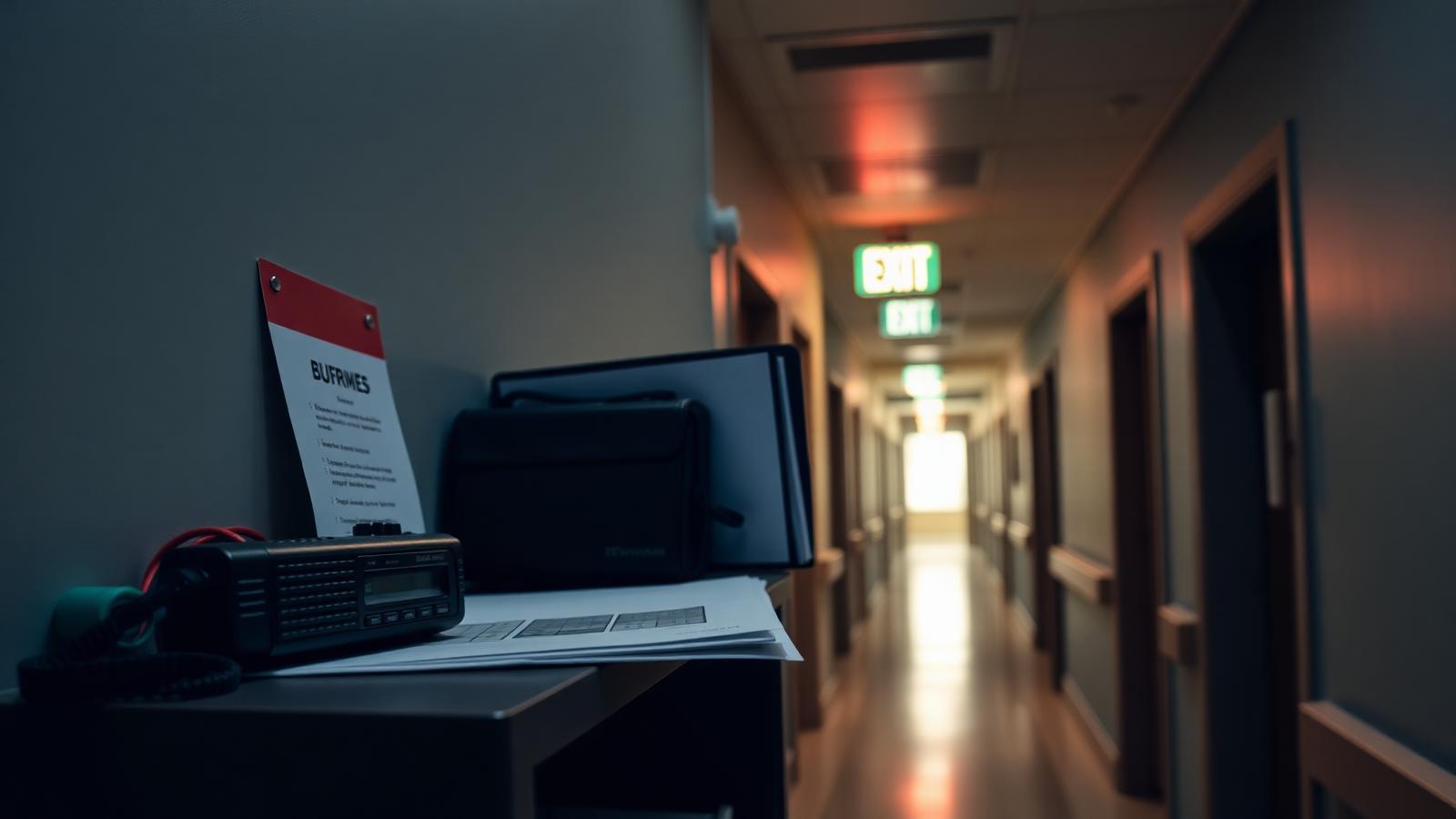
Minnesota puts a specific kind of pressure on emergency planning. A February power failure is not an inconvenience; it is a life-safety event on a clock.
A plan that satisfies a surveyor and a plan that works in a storm are the same plan. Here is what it has to answer.
The scenarios your plan must actually cover
Generic all-hazards language is not enough. Work through each of these with your specific building, residents and staffing.
- Extended power loss in extreme cold, including heat, oxygen concentrators and refrigerated medications
- Blizzard with staff unable to travel and residents unable to leave
- Fire and partial or full evacuation, including residents who cannot self-evacuate
- Water loss or contamination
- Loss of the building's information systems and records access
- Severe staffing shortage from illness or weather
- Missing resident, including in secured settings
Decide who decides, before you need them
The most common failure in a real emergency is not lack of a plan; it is nobody being sure who is authorized to make the call at 2am on a Sunday.
Name a chain of three deep for every decision that matters: evacuation, calling in staff, spending money, contacting families and notifying authorities.
Communications that survive the outage
Your call tree cannot depend on the internal system that went down with the power. Keep printed contact lists for staff, families, emergency services, your utility, transport and receiving facilities.
Decide in advance what families are told, by whom, and how often. Silence during an emergency generates complaints long after the emergency is over.
Supplies, checked on a schedule
Water, non-perishable food matched to therapeutic diets, medication continuity, flashlights and batteries, blankets, a battery or crank radio, and a way to charge essential devices.
Assign a monthly check with a signed log. Expired supplies with a current-looking binder is a finding waiting to happen.
Drills, and the debrief that makes them count
Run drills on different shifts, including nights and weekends, because that is when your thinnest coverage meets your hardest scenario.
After each drill, write half a page: what happened, what took too long, what we are changing, who owns it, when it is due. That document is what turns a drill into evidence of a working program.
Resident-specific planning
Keep a current list of residents who need evacuation assistance, oxygen, refrigerated medication, or who are at high risk of distress during disruption.
This list changes with every admission and every change in condition, so tie its update to the same trigger that updates the service plan.
Frequently asked questions
How often should we drill?
At least annually for major scenarios, and more often for fire and evacuation. Vary shift and scenario so you are not rehearsing the same easy case each time.
Does the plan need to be building-specific?
Yes. A plan that could belong to any facility is the clearest sign to a surveyor that it has not been operationalized.
Who should have a copy?
Every shift should be able to reach the plan without a manager, and key staff should know the first three steps of each scenario without reading it.
Related service
Policy & procedure development
This article is general information for Minnesota providers, not legal advice. Requirements change — always confirm current expectations with the Minnesota Department of Health or the Department of Human Services before acting.