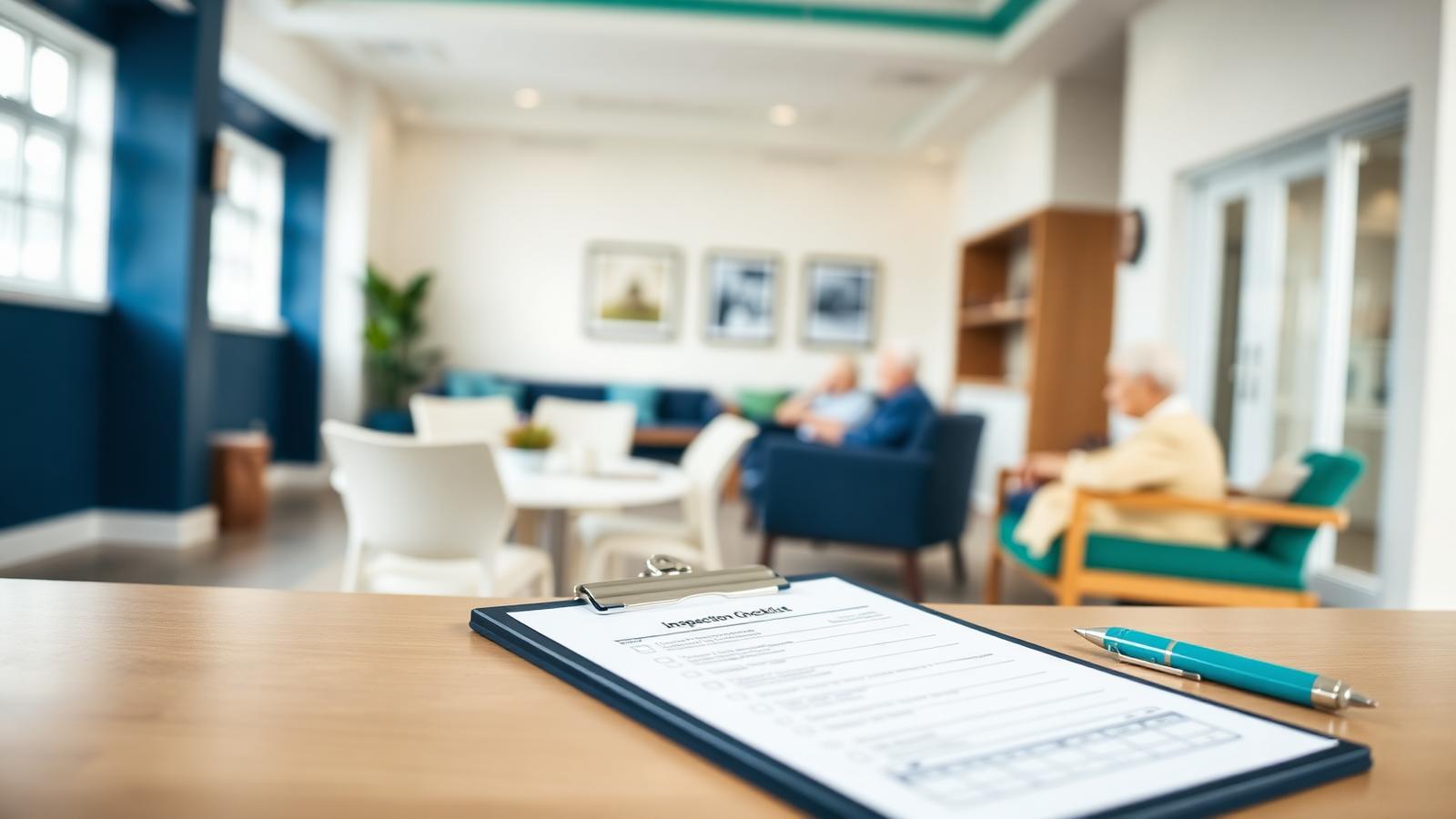

Surveys in Minnesota are generally unannounced, so 'preparing for the inspection' really means keeping the building in a state where an unannounced visit is uneventful.
Still, there are moments — a licensure renewal window, a change of ownership, a complaint investigation you expect follow-up on — when it is worth running a concentrated 30-day preparation. Here is how we structure it.
Week 1 — Read your own records like a stranger
Pick five resident records at random, including your most recent admission and your highest-acuity resident. Read each one end to end without defending it.
You are looking for one thing: does the story hold together? Assessment, service plan, progress notes, medication record and any incident reports should describe the same resident with the same needs on the same dates.
- Assessment date current and signed
- Service plan reflecting every documented need
- Evidence the resident or representative participated in planning
- Medication record with no unexplained blanks
- Incident follow-up closed with an outcome, not just a report
Week 2 — Walk the building at three different hours
Environmental findings come from what is normal, not from what is staged. Walk at 7am, at 2pm and at 8pm, and note what is different.
Look at medication storage, chemical storage, call-light response, exits and egress, water temperatures, food handling, laundry, and how personal care is delivered when the hallway is busy.
Week 3 — Coach the team on questions, not scripts
Surveyors talk to caregivers, and caregivers do better when they have practiced saying true things clearly. Rehearsed scripts read as coached and invite more questions.
Cover the handful of questions that always come up: what do you do if a resident falls, how do you report suspected maltreatment, where is the emergency plan, how do you know what care a resident needs, what do you do if you cannot find a supervisor.
- It is always acceptable to say 'I would check the service plan' or 'I would call my supervisor'.
- Nobody should guess. A wrong confident answer is worse than looking something up.
- Staff should never be told to hide a problem — self-reported and corrected issues are treated very differently than concealed ones.
Week 4 — Close gaps and decide your day-one choreography
Whatever you found in weeks one through three, close it now and document the correction. Then decide, in writing, what happens when surveyors walk in.
Name a primary and backup greeter, the room they will be shown to, who pulls requested records, who notifies the owner or director, and who keeps care running normally while all of this happens.
On the day
Be helpful, be accurate, and produce documents promptly. Do not volunteer speculation, do not argue in the moment, and do write down every document you hand over and every observation the surveyor mentions.
At the exit conference, listen and take notes rather than negotiating. There is a formal path for responding to findings, and it is a better forum than a hallway conversation.
Frequently asked questions
Are Minnesota assisted living surveys announced?
Routine surveys are generally unannounced. Some follow-up visits and specific investigations may be scheduled, but you should operate as though any day is possible.
How long does a survey take?
It depends on facility size, findings and visit type. Plan for at least one full day and staff accordingly so care delivery does not suffer.
Should we do a mock survey first?
If it has been more than a year since your last outside review, yes. A mock survey produces the same findings list without the regulatory consequence, and gives you time to correct.
Related service
Survey readiness & mock surveys
This article is general information for Minnesota providers, not legal advice. Requirements change — always confirm current expectations with the Minnesota Department of Health or the Department of Human Services before acting.